Extending your home is one of the most effective ways to gain space without moving. Whether you’re planning a rear kitchen extension, a side return, or a larger family room, understanding planning permission is essential before work begins. If you live in York, there are both national rules and local considerations that could affect your project.
Here’s what homeowners in York need to know.
Do You Always Need Planning Permission?
Not necessarily.
Many home extensions fall under Permitted Development (PD) rights, which allow certain types of work without submitting a full planning application. These rights apply nationally across England, including in York.
For a typical single-storey rear extension, permitted development usually allows:
- Up to 3 metres beyond the rear wall for terraced and semi-detached houses
- Up to 4 metres for detached houses
- A maximum height of 4 metres
- Eaves height no more than 3 metres if within 2 metres of a boundary
- No more than 50% of the original garden area to be covered by extensions and outbuildings combined
However, these limits apply to the original house (as built or as it stood in 1948), not necessarily as it appears today.
When Planning Permission Is Required
You will likely need planning permission if:
- Your extension exceeds the permitted development limits
- You live in a conservation area or a listed building (both of which are common in York)
- Your property has already been extended and you’ve used up your permitted development rights
- Permitted development rights have been removed (sometimes via previous planning conditions)
- Your extension includes features like balconies, verandas, or raised platforms
York has a large historic core and extensive conservation areas. If your property falls within one of these areas, additional restrictions often apply — even for relatively modest extensions.
It’s always wise to check with City of York Council before finalising plans.
The Prior Approval Process (Larger Extensions)
If you want to extend further than standard permitted development allows, you may be able to use the Larger Home Extension Prior Approval route which allows up to 6m for semi-detached/terraced homes or 8m for detached homes.
This is not full planning permission, but the council will consult your immediate neighbours. If objections are raised, the council will assess the impact on neighbouring amenity before granting approval.
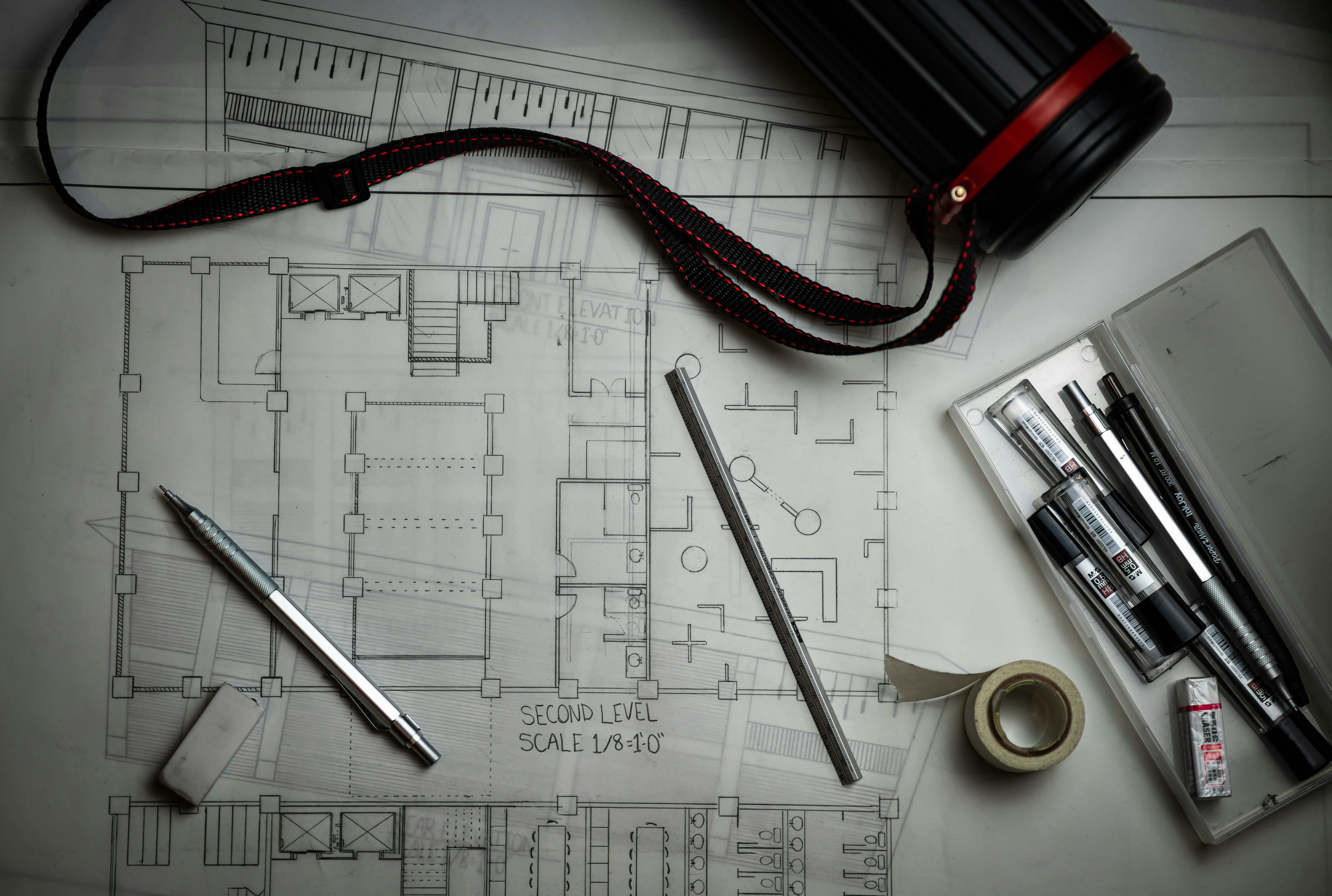
This process still requires scaled drawings and formal submission.
What the Council Considers
When assessing a planning application for an extension, the council typically looks at:
- Design and Appearance: Does the extension complement the existing building and surrounding area?
- Impact on Neighbours: Will it cause overshadowing, loss of privacy, or be overbearing?
- Use of Materials: Are the materials sympathetic to the original property?
- Conservation Area/Listed Building Considerations: If applicable, does the design respect the historic character?
York’s historic character means design sensitivity is particularly important. Extensions should usually complement the existing property rather than dominate it.
Planning Permission vs Building Regulations
Planning permission is about how your extension affects the outside world.
Building regulations approval is about how your extension is constructed — ensuring structural safety, insulation standards, fire safety, ventilation and drainage compliance.
Even if your extension falls under permitted development and doesn’t require planning permission, building regulations approval will almost always still be required.
How Long Does It Take?
For householder applications, the standard decision period is 8 weeks from validation.
The process usually follows this pattern:
- Submission: Submit your application with all required documentation.
- Validation: The council checks that your application is complete and valid.
- Consultation: Neighbours and relevant bodies are consulted (if applicable) - typically 21 days.
- Review: The council assesses the application against planning policies and any objections received.
- Decision: The council makes a decision within 8 weeks of validation.
If approved, always check for planning conditions before starting work.
Practical Advice for York Homeowners
- Consult Early: Even if you think your extension is straightforward, it’s wise to consult the council or a planning consultant early on.
- Consider Neighbours: If your extension is likely to impact neighbours, consider discussing your plans with them before submission.
- Use a Professional: For larger or more complex extensions, using an architect or planning consultant can help ensure your application meets all requirements and has the best chance of approval.
- Check Local Policies: York may have specific local planning policies that affect extensions, so always check the local plan.
- Be Patient: Planning permission can take time, especially if there are objections or complex issues to resolve. Plan your project timeline accordingly.
- Don’t Assume Permitted Development is Always Allowed: Even if your extension seems to fall within permitted development limits, local restrictions or previous extensions may mean you still need to apply for planning permission.
- Lawful Development Certificate: Even if planning permission isn't required, obtaining a Lawful Development Certificate can provide peace of mind and ensure your extension is compliant with local planning policies.
Final Thoughts
Planning permission in York isn’t necessarily complicated — but the city’s historic setting means rules can be stricter than in many other areas.
Taking time to check the regulations, prepare accurate drawings, and understand local considerations will give your extension the best chance of smooth approval and a successful build.
If you approach the process correctly from the start, your extension project can move forward confidently and without unnecessary delays.